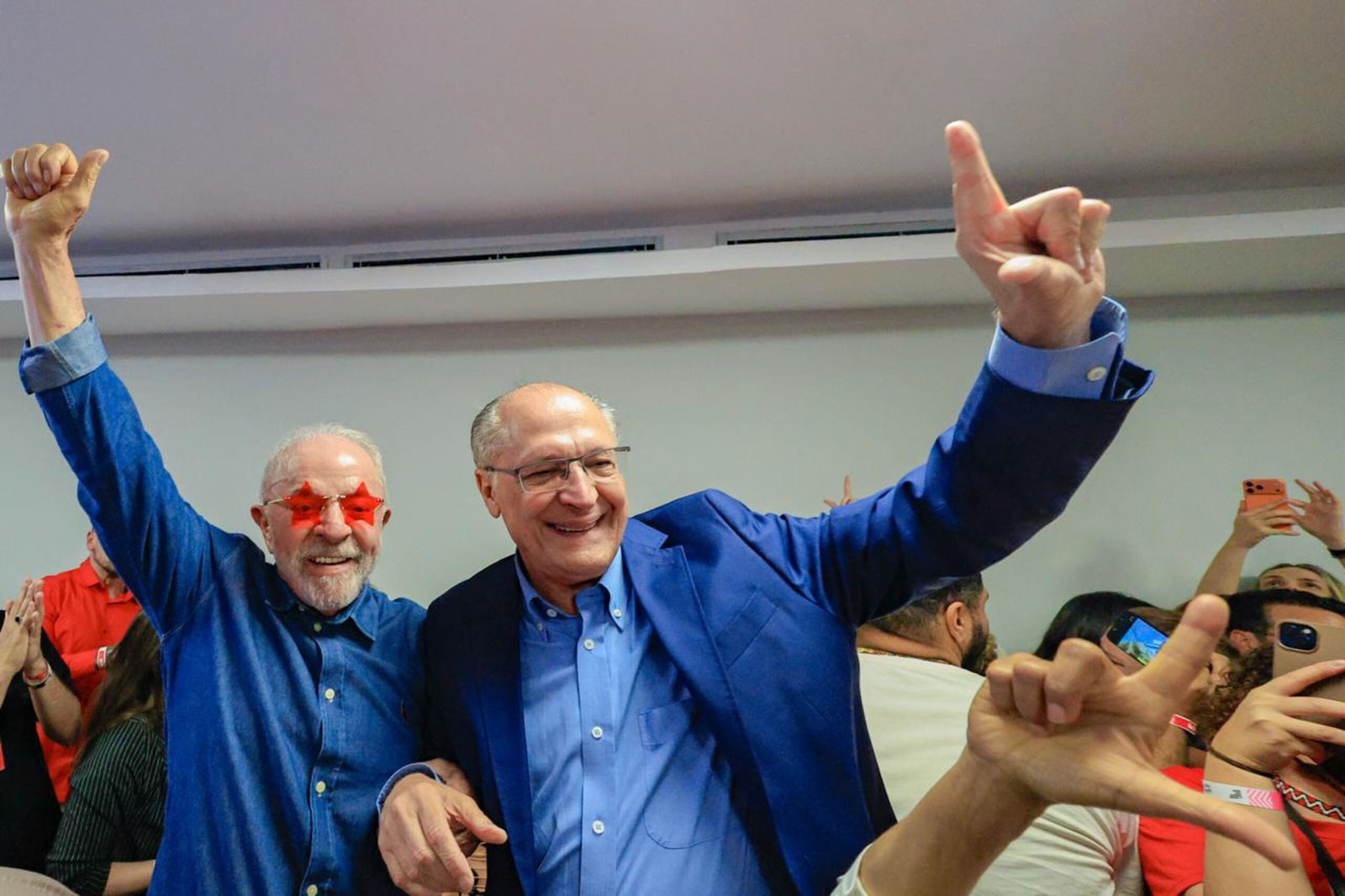
Luiz Inácio Lula da Silva won Brazil’s presidential runoff with 51.79% of valid votes, overturning Flávio Bolsonaro’s first-round lead, something that had never happened before in a Brazilian presidential election. Between the two rounds, Lula gained about 10.4 million votes. Find out how social policies, mass mobilisation in the streets and online, and a historic drop in abstention reversed the result, and why the victory is also a personal defeat for Donald Trump.
The Challenge Investigated: After the first round, a Lula victory looked unlikely. His rejection rate was extremely high, making it nearly impossible to win over Flávio’s voters, and the far right dominated the digital environment, with allegations that Meta had favoured right-wing candidates through its algorithms. The article examines how the campaign turned the race around and what the result reveals about strategies to contain the far right, both in Brazil and in a region under growing pressure from the Trump administration and Secretary of State Marco Rubio.
The Core Proposal: The authors attribute Lula’s victory to three equally important factors, which together re-energised his support base as rarely seen in the country.
- The Social Package: An increase in Bolsa Família, measures benefiting individual microentrepreneurs (nearly 70% of active businesses) and, above all, the approval of the bill reducing the working week from six to five days with no loss of pay. In a poll four days before the vote, this was the news item that mattered most to voters (17%). Lula’s approval rose among higher-income voters (+6 p.p.) and the non-bolsonarista right (+12 p.p.), core groups of Flávio’s base, and fear of the Bolsonaros’ return overtook fear of Lula’s reelection (44% to 42%).
- Streets and Networks: Rallies led mostly by young people brought millions onto the streets, with the largest in São Paulo on October 24. Online, the “Lula’s Army” WhatsApp channel gathered more than 10 million members in days, borrowing the far right’s own vocabulary to push the left’s agenda and expose scandals involving Flávio.
- The Abstention Bet: Instead of flipping votes, the campaign targeted first-round abstainers. Three million more people voted, bringing abstention to 19.2%, its lowest level in 20 years, and 1.8 million who had cast blank or spoiled ballots chose a candidate. Of the additional valid votes, 74% went to Lula, with the South-East accounting for nearly half of his new voters.
Implications and Contributions: The authors argue that the result halts the far right’s advance but does not weaken it, leaving Lula a harder fourth term.
- Stable Electoral Alignments: The profile of each camp’s voters has barely changed since 2018. Evangelicals remain aligned with bolsonarismo (60% backed Flávio ahead of the runoff), and the gender gap of around 9 percentage points persists, with Flávio’s rejection among women at 58%. It is still unclear whether Lula can keep his new voters.
- A Congress Further to the Right: The far right stays in opposition but stronger than before, and Lula will depend on right-wing parties to govern. His 3.6-point margin, almost twice that of 2022, may give him more popular backing, while pressure from Washington is likely to continue: Trump said the election appeared rigged, and Rubio claimed to see signs of fraud.
- The Future of Bolsonarismo: With Jair Bolsonaro in prison, Eduardo a fugitive in the United States and Flávio under criminal investigation, the family must try to preserve its enormous electoral capital. The open question is whether bolsonarismo, which attracted nearly half of the country, can survive without the Bolsonaros.
Foto: Ricardo Stuckert
Siga @redem.inct no Instagram e @redem_inct no X para saber mais sobre os estudos realizados por nossos pesquisadores!
Autoras